Quick answer
Snorkeling Cannes France centers on the Lérins Islands, where underwater access is free and ferry service runs daily from 07:30 to 18:30. The best visibility occurs between 07:30 and 11:00, before afternoon winds stir sediment. Sainte-Marguerite and Saint-Honorat both offer protected coves with Mediterranean seagrass meadows, rocky drop-offs, and seasonal fish aggregations—no permit required, though you must arrange your own transport and equipment.
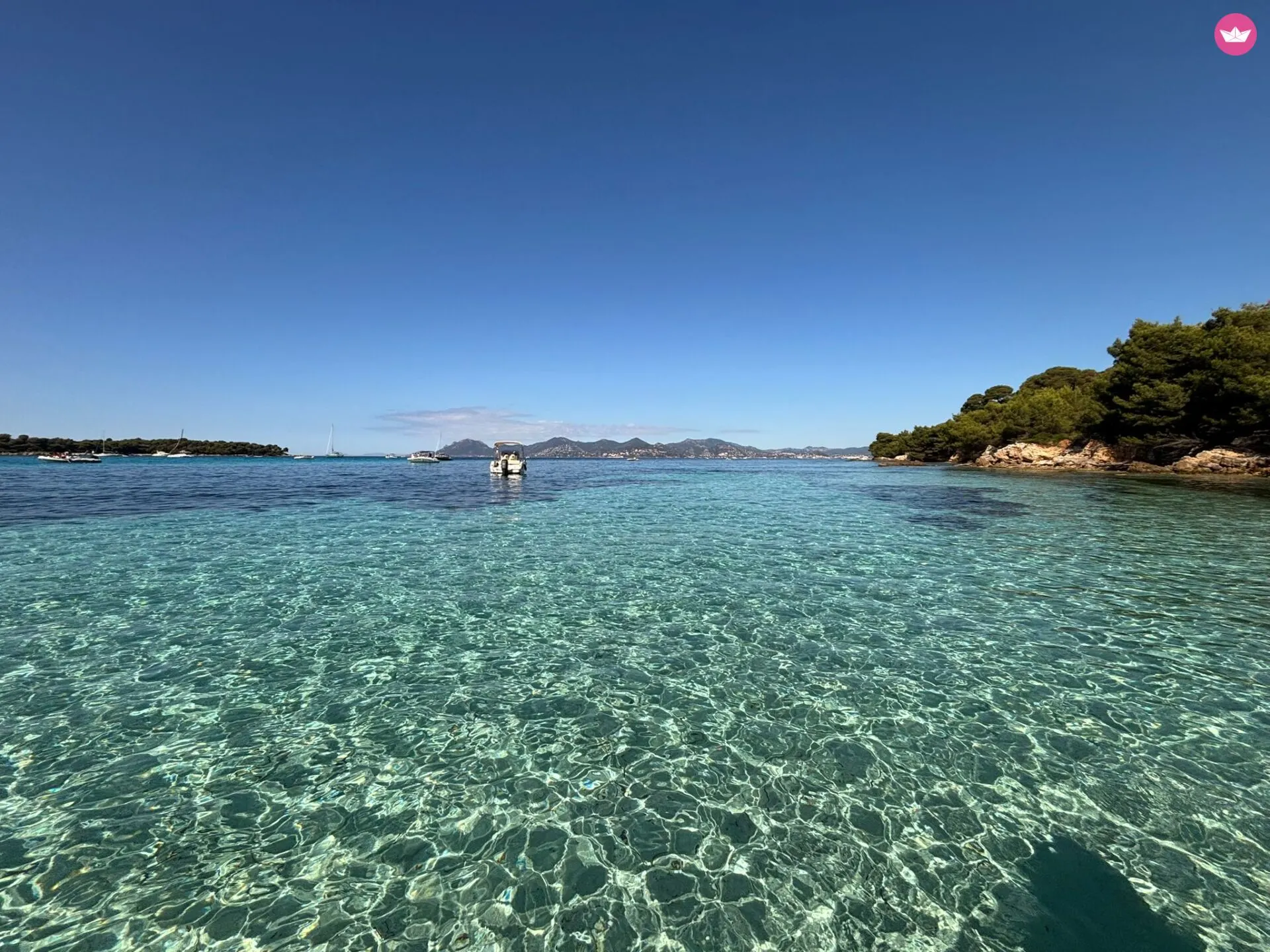
Ninety percent of Cannes snorkelers never leave the mainland beaches, which means the rocky shorelines of Sainte-Marguerite and Saint-Honorat remain surprisingly uncrowded even in July. The Lérins archipelago lies just fifteen minutes offshore, yet its posidonia meadows and boulder fields support damselfish, octopus, and occasional grouper that have vanished from the urban coastline. Snorkeling Cannes France requires no entrance fee—the islands themselves are public land, and the underwater zones are open to anyone who reaches them. Ferry operators charge for the crossing, but once you disembark, the coves belong to whoever walks down to them. The northern shore of Sainte-Marguerite offers the most consistent conditions: shallow rock gardens between two and five meters deep, sheltered from the prevailing easterlies, with visibility that holds above ten meters through most of the season. Saint-Honorat's southern coast is deeper and more exposed, better suited to confident swimmers during morning calms. Mediterranean snorkeling revolves around light and current. Morning departures align with the clearest water—sediment settles overnight, and the tramontane wind typically builds after midday. By early afternoon, surface chop reduces visibility and makes entry from rocky shores less pleasant. The 07:30 ferry from Cannes puts you in the water by 08:00, which leaves three hours of optimal conditions before the crowds and wind arrive. Equipment rental exists on the mainland, but the islands have no dive shops or gear vendors, so everything must come with you. The marine reserve regulations prohibit fishing and anchoring in designated zones, which has allowed slow recovery of fish populations since the early 2000s. Damselfish nest in the shallows from May through September, and barracuda patrol the drop-offs where rock meets sand. The seagrass beds host cuttlefish in spring and juvenile sea bream through summer. None of this is tropical abundance, but it represents the healthiest nearshore ecosystem within easy reach of the Côte d'Azur urban corridor. Free access to snorkeling in Cannes starts with a ferry ticket and ends wherever your breath-hold allows.
“The northern shore of Sainte-Marguerite offers shallow rock gardens sheltered from prevailing winds, with visibility that holds above ten meters through most of the season.”
Best Time for Snorkeling Cannes France: Daily and Seasonal Windows
The best time for snorkeling in the Lérins Islands is the morning arrival window between 07:30 and 11:00. Arriving during these hours ensures clearer water visibility and significantly fewer crowds compared to the busy afternoons.
Weekday mornings
Minimal crowds—
Water is calmest and visibility is highest before the midday ferry traffic.
June to September
High crowdsWarm water, 22°C to 25°C
Ideal water temperatures for extended sessions, though surface traffic increases by noon.
May and October
Moderate crowdsMild water, 18°C to 20°C
Quieter beaches and clearer visibility offset the slightly cooler water temperatures.
Verdict: The optimal snorkeling experience occurs on weekday mornings in May or October, arriving promptly at 07:30.
Opening Hours for Snorkeling Cannes France at the Lérins Islands
The Lérins Islands are open to the public daily for snorkeling and island exploration. Access remains consistent throughout the week to accommodate visitors.
| Monday | 07:30–18:30 | |
|---|---|---|
| Tuesday | 07:30–18:30 | |
| Wednesday | 07:30–18:30 | |
| Thursday | 07:30–18:30 | |
| Friday | 07:30–18:30 | |
| Saturday | 07:30–18:30 | |
| Sunday | 07:30–18:30 |
Snorkeling Cannes France: Admission and Ferry Costs
Access to the Lérins Islands and their snorkeling areas is provided at no cost. Visitors must budget solely for the ferry transport required to reach the islands from Cannes.
The islands themselves are free to enter, so your primary expense will be the ferry ticket, which varies in price based on the selected maritime transport provider.
How to Access the Lérins Islands for Snorkeling Cannes France
The Lérins Islands are located approximately 15 minutes by boat from the coast of Cannes. Ferries are the primary mode of transport for reaching the snorkeling zones on Île Sainte-Marguerite and Île Saint-Honorat.
Quai Laubeuf ferry terminal to Île Sainte-Marguerite
Quai Laubeuf ferry terminal to Île Saint-Honorat
Cannes train station (Gare de Cannes) to Quai Laubeuf
Key Locations for Snorkeling Cannes France: Sainte-Marguerite and Saint-Honorat
The Lérins Islands offer distinct snorkeling environments separated by the channel between Sainte-Marguerite and Saint-Honorat. These zones feature varied depths, seagrass meadows, and rocky outcroppings that support local Mediterranean marine life.
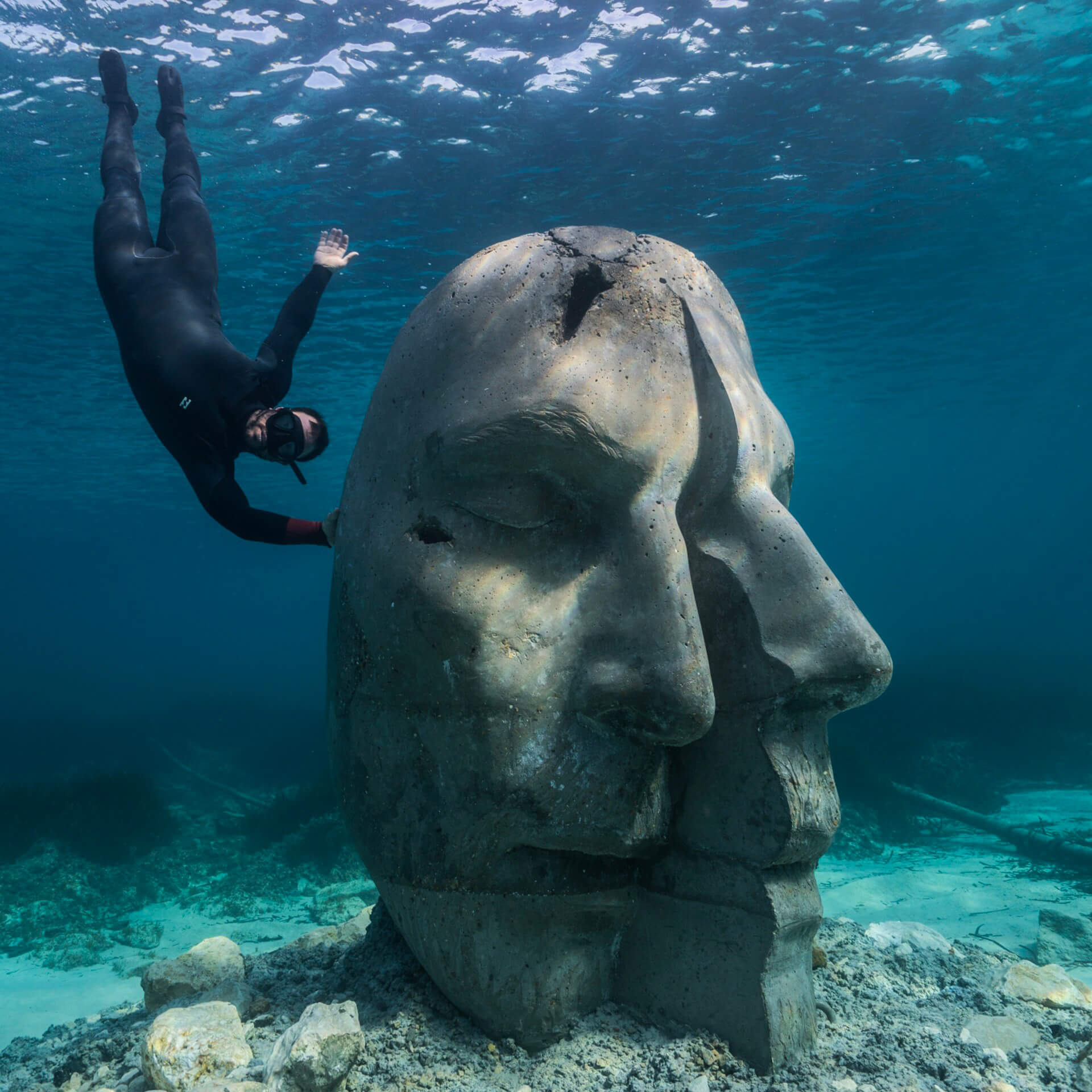
Écomusée Sous-Marin de Cannes
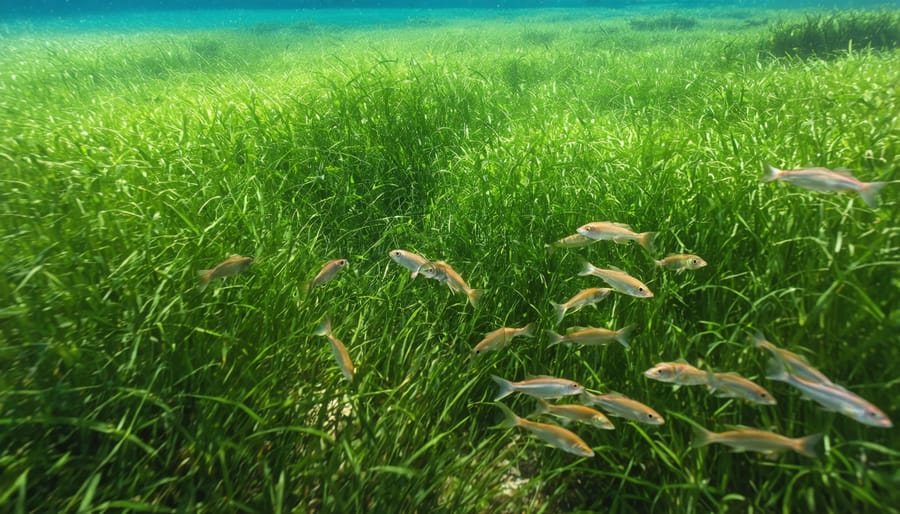
This underwater gallery features six large-scale sculptures submerged off the south coast of Sainte-Marguerite. The statues create an artificial reef environment designed to attract local fish species.
Swim slowly around the sculptures to spot fish sheltering in crevices.
Plateau du Milieu
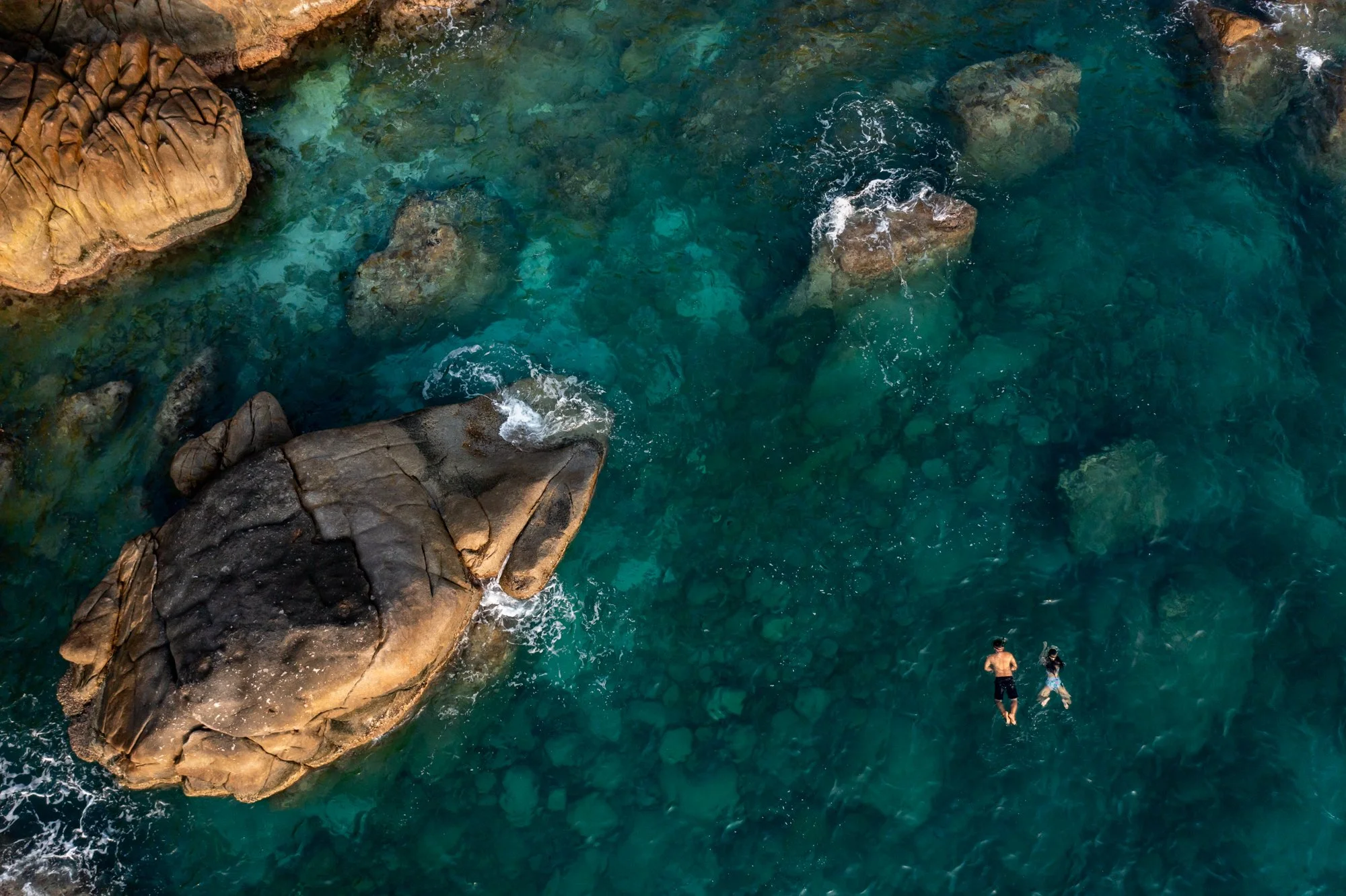
The shallow channel located between the two islands provides calm waters and seagrass beds. This area is suitable for observing Posidonia oceanica, a protected plant species essential to the coastal ecosystem.
Look for small wrasse and sea bream among the seagrass blades.
Saint-Honorat South Coast
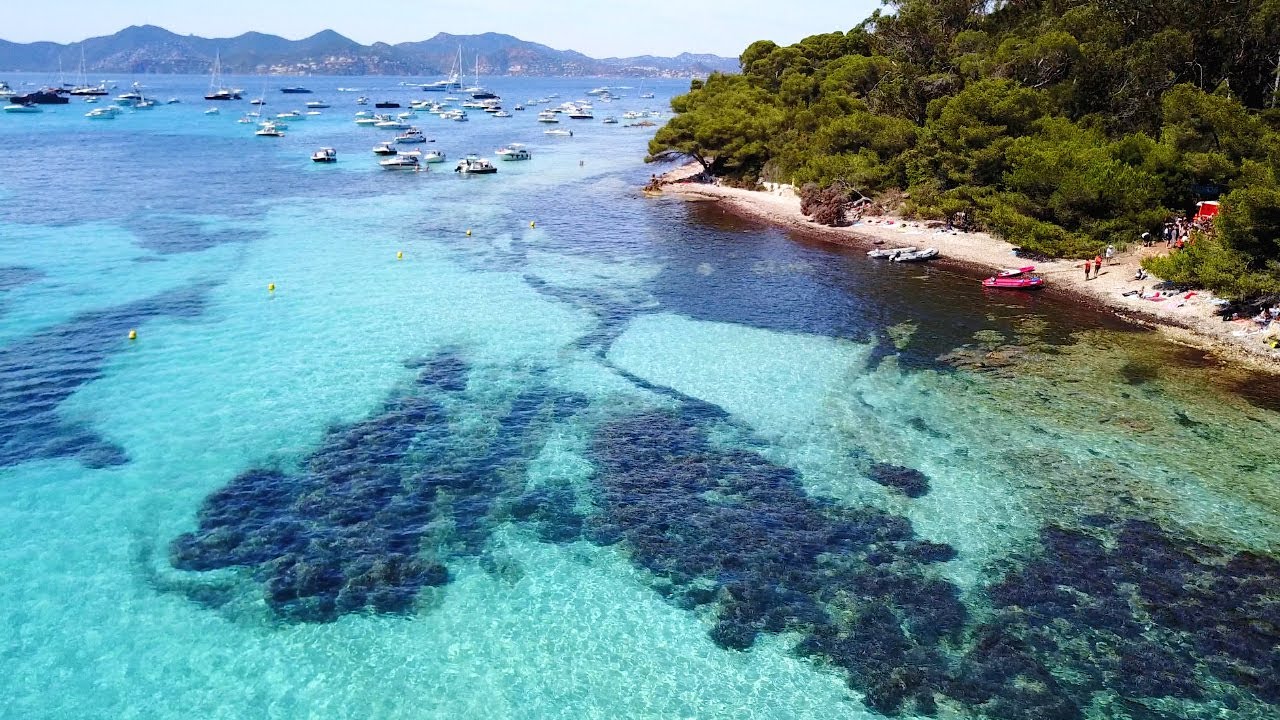
The southern shoreline of Saint-Honorat is characterized by rocky formations and clearer water conditions. This area offers more vertical terrain for observing sea urchins and octopus.
Keep a steady pace along the rocks to find hidden marine life.
Sainte-Marguerite Eastern Point
This area features a mix of sandy patches and rocky shelves near the edge of the island. The currents here are generally manageable, providing visibility for spotting schools of Mediterranean chromis.
Scan the transition zones between sand and rock for diverse schools.
Essential Preparation for Snorkeling Cannes France
Open-water snorkeling around the Lérins Islands requires careful preparation to ensure safety and comfort.
-
Confirm ferry departure times — Morning ferries fill quickly during peak season, so check schedules in advance.
-
Bring or rent snorkeling gear — Rental shops in Cannes offer masks, fins, and snorkels if you don't have your own.
-
Pack reef-safe sunscreen — Protect marine ecosystems by using biodegradable formulas that won't harm coral and sea life.
-
Wear a rash guard or wetsuit — Water temperatures vary seasonally, and sun protection is critical during extended sessions.
-
Carry a dry bag for valuables — Secure phones, wallets, and documents before entering the water.
-
Check marine weather forecasts — Wind and currents affect visibility and safety in open water around the islands.
-
Bring drinking water and snacks — Limited facilities on Sainte-Marguerite mean you should pack hydration and energy supplies.
Check availability
Frequently asked questions about snorkeling cannes france
Everything you need to know about snorkeling cannes france