Quick answer
Spot snorkeling Cannes takes place along the northern and western shores of Sainte-Marguerite and around the shallower bays of Saint-Honorat, all accessible year-round at no entrance cost. The underwater eco-museum off Sainte-Marguerite's western coast holds six submerged sculptures resting between 3 and 5 meters deep, while rocky alcoves along the northern coastline reveal sea urchins, octopus, and small wrasse schools when the mistral wind settles.
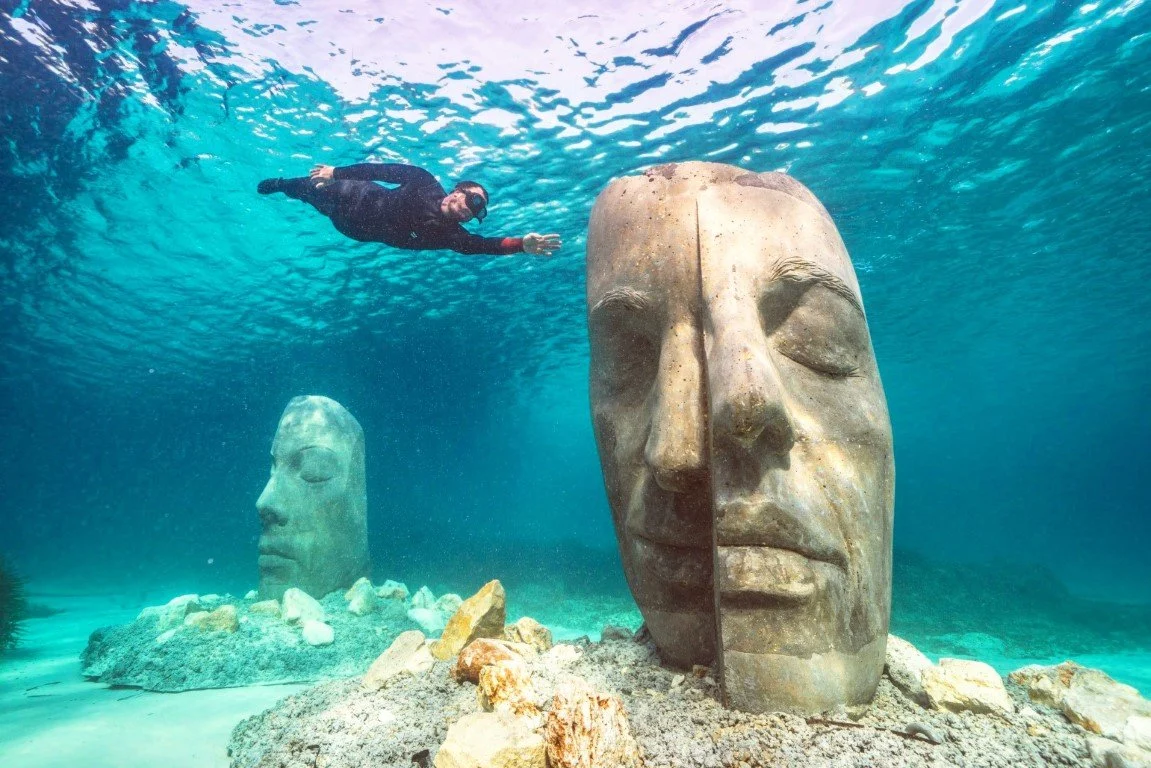
The Lérins archipelago holds the only designated snorkeling trail within immediate reach of Cannes, a fact that surprises most visitors accustomed to associating the Riviera coast with beach clubs rather than marine reserves. Sainte-Marguerite, the larger island, presents two distinct underwater environments: the sheltered western bays where posidonia seagrass anchors an eco-museum of concrete sculptures, and the exposed northern cliffs where limestone fractures create narrow swim-throughs favored by cuttlefish and juvenile grouper. Saint-Honorat, smaller and less trafficked, offers sand-bottomed channels between algae-covered rocks, depth rarely exceeding 4 meters, ideal for beginners testing new fins. Water clarity around the islands fluctuates with tidal exchange and wind fetch. The mistral, blowing from the northwest, stirs bottom sediment and reduces visibility below 3 meters within hours; the sirocco from the southeast brings warmer water but carries plankton blooms that tint the shallows green by mid-summer. Morning departures between 09:00 and 11:00 encounter calmer surface conditions and clearer water before midday ferry wakes churn the coves. The underwater eco-museum, installed in 2022, sits in a sandy basin west of the Fort Royal jetty, marked by floating buoys during summer months. Each sculpture—ranging from a two-meter human figure to abstract forms mimicking coral branches—serves as an artificial substrate for algae colonization, observable through mask and snorkel at high tide when depth reaches 5 meters. Rocky drop-offs along Sainte-Marguerite's northern shore descend more steeply, with ledges at 6 to 8 meters hosting brown meagre and occasional moray eels tucked into crevices. Snorkelers staying above 5 meters encounter damselfish guarding algae patches, sea cucumbers wedged under overhangs, and beds of purple sea urchins clustering where sunlight penetrates least. The terrain here demands controlled breathing and neutral buoyancy; jagged limestone edges sit close to the surface, and misjudged kicks against rock faces scrape skin or damage fins. Current along the exposed coast runs east to west, strongest during spring tides, requiring swimmers to begin routes upwind and drift back toward the ferry dock. Saint-Honorat's southern coastline, facing the open Mediterranean, remains rougher and less suitable for snorkeling; the protected eastern bays, however, provide sandy entries and gradual depth transitions. These zones attract families and novice snorkelers, though biodiversity is lower—mostly sand-dwelling gobies, juvenile mullet, and sparse Neptune grass. The monastery on Saint-Honorat restricts access to certain coastal paths, so snorkeling entry points concentrate near the island's northern and eastern beaches, marked by small wooden signs. Ferry schedules from Cannes permit 3 to 4 hours on either island before the return crossing, enough time to explore two snorkeling sites if moving efficiently between coves.
“The underwater eco-museum off Sainte-Marguerite transforms submerged concrete into living habitat, each sculpture accumulating algae and shellfish within months of installation.”
Best Time to Spot Snorkeling Cannes Conditions
The best arrival window is 09:00–11:00, which offers clearer water and fewer crowds at the underwater eco-museum and coastal coves. Visiting during this time minimizes ferry congestion and provides optimal visibility for snorkeling.
June to September
High crowd levelsWarm water, 22°C–25°C average
Peak season offers the warmest temperatures for extended water time.
May and October
Moderate crowd levelsCooler water, 18°C–21°C average
These months provide quieter conditions and comfortable temperatures for swimming.
Weekday mornings
Low crowd levels—
Arriving early on weekdays ensures the least interference from ferry traffic and day-trippers.
Verdict: The best time to visit is weekday mornings during May or September, arriving between 09:00 and 11:00 to balance water clarity and crowd volume.
How to Reach Each Spot Snorkeling Cannes
The Lérins Islands are located off the coast of Cannes and are accessible exclusively by maritime transport. Most visitors depart from the Quai Laubeuf at the Cannes Old Port to reach either Île Sainte-Marguerite or Île Saint-Honorat.
Ferry from Quai Laubeuf to Île Sainte-Marguerite
Ferry from Quai Laubeuf to Île Saint-Honorat
Walking paths from island piers to snorkeling coves
Key Zones to Spot Snorkeling Cannes
The Lérins Islands offer distinct snorkeling zones characterized by protected coves and unique marine installations. These areas provide opportunities to observe Mediterranean sea life in its natural habitat.
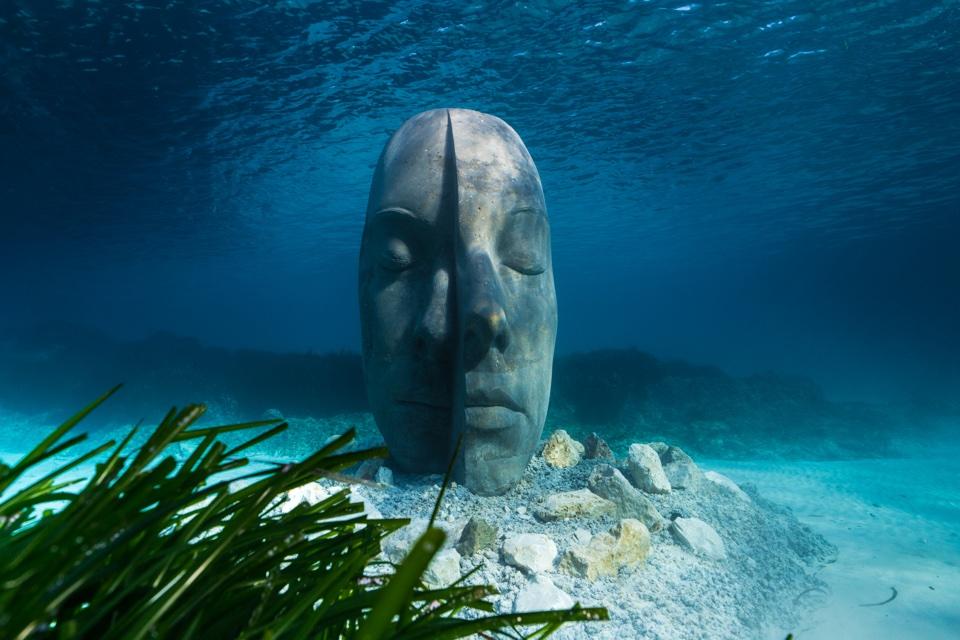
Underwater Eco-Museum
Located off the south coast of Sainte-Marguerite, this site features six large-scale sculptures submerged on the seabed. It serves as an artificial reef designed to encourage local marine biodiversity.
Swim slowly between statues to spot schools of Mediterranean damselfish.
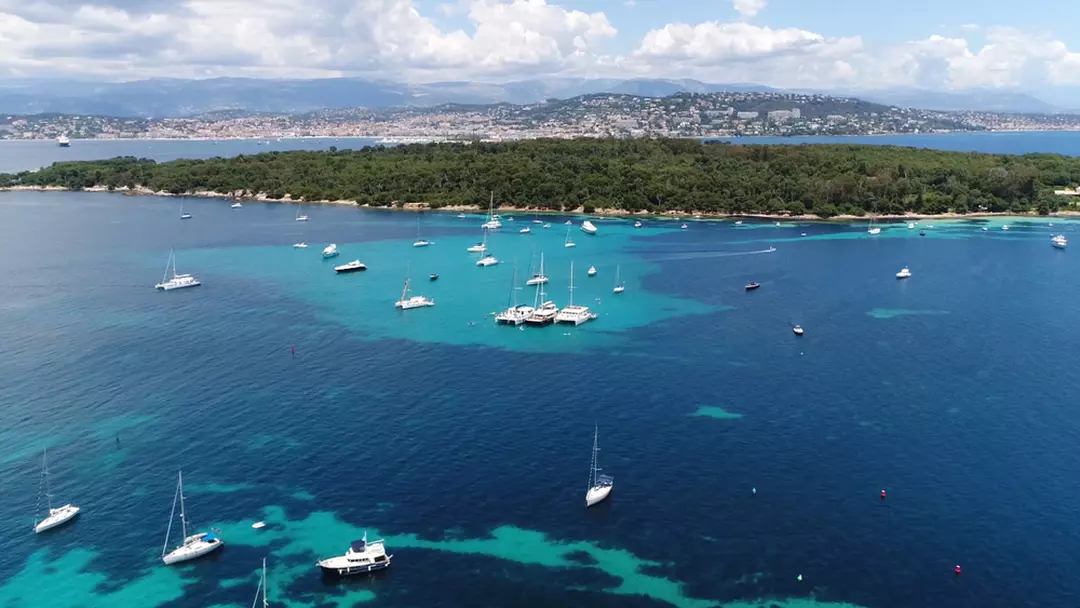
Plateau du Milieu
This shallow channel between Sainte-Marguerite and Saint-Honorat is known for its seagrass beds and calm conditions. The sandy patches between rocky outcrops house octopus and various species of wrasse.
Observe the sandy bottom for camouflaged creatures during slack tide.
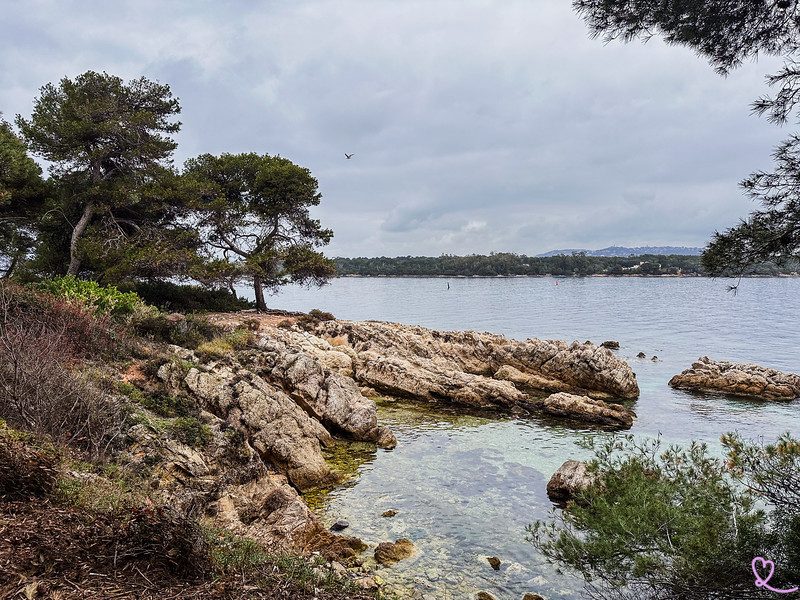
Saint-Honorat Rocky Coast
The southern perimeter of Saint-Honorat offers rocky entry points leading to deeper water. These crevices provide shelter for crustacean populations and larger schooling fish.
Look under rock ledges to find hidden octopuses or moray eels.
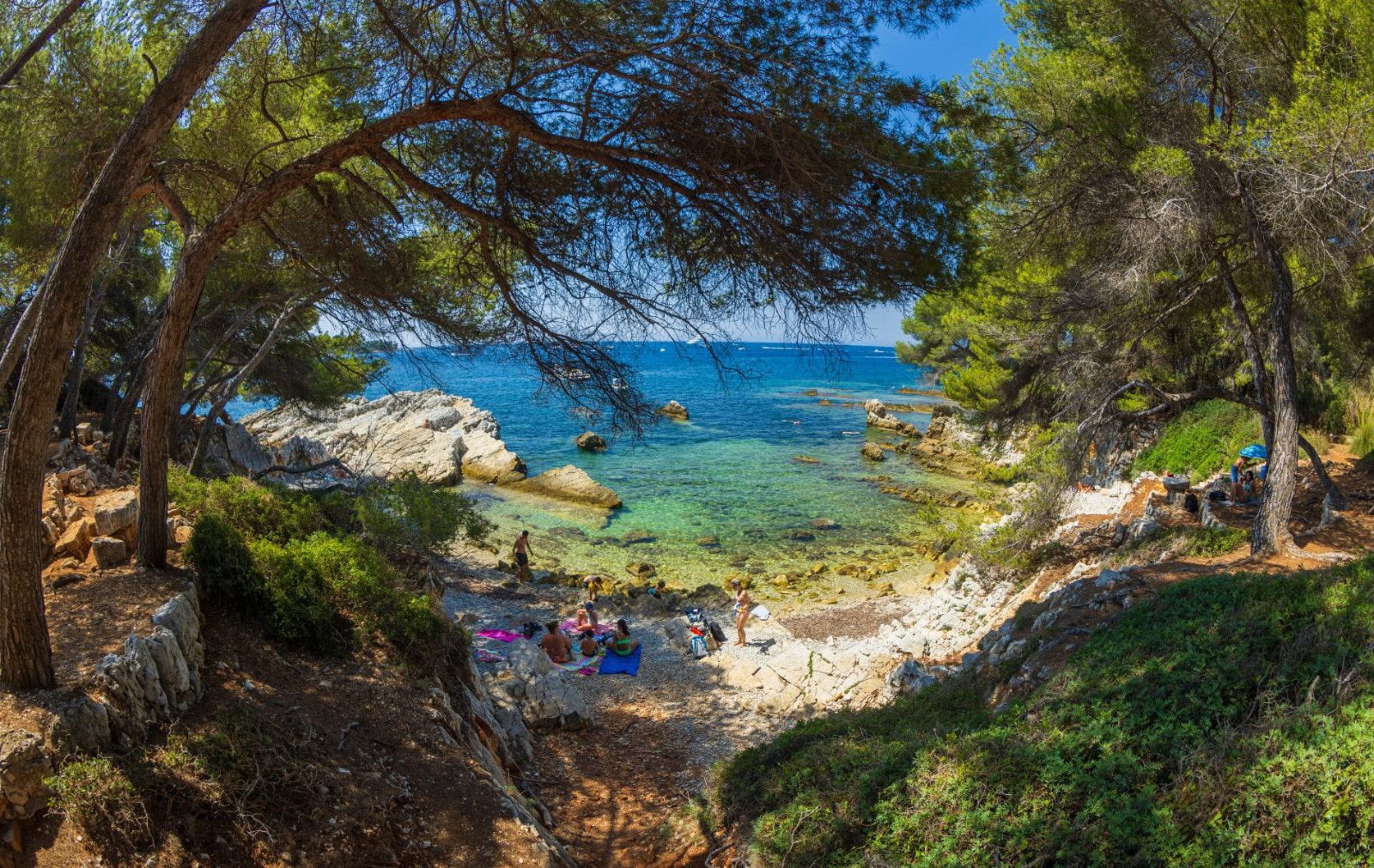
Sainte-Marguerite Eastern Coves
The eastern side of Sainte-Marguerite contains small, protected inlets sheltered from prevailing winds. These coves are characterized by clear water and rocky shoals suitable for observing juvenile fish.
Enter from the small pebble beaches to reach calm water immediately.
Entrance Fees for Each Spot Snorkeling Cannes
Access to the snorkeling areas around the Lérins Islands is entirely free of charge. The only mandatory expense involves the ferry transport required to reach the islands.
A typical visitor pays 0 EUR for snorkeling access, with total costs depending solely on the chosen ferry service provider.
Operating Hours for Each Spot Snorkeling Cannes
The Lérins Islands are accessible to visitors daily throughout the week. Snorkeling locations remain open to the public during these times.
| Monday | 00:00–23:59 | |
|---|---|---|
| Tuesday | 00:00–23:59 | |
| Wednesday | 00:00–23:59 | |
| Thursday | 00:00–23:59 | |
| Friday | 00:00–23:59 | |
| Saturday | 00:00–23:59 | |
| Sunday | 00:00–23:59 |
Essential Prep to Spot Snorkeling Cannes
A day of snorkeling the Lérins Islands requires modest gear and moderate swimming ability.
-
Pack mask, snorkel, and fins — The rocky Mediterranean bottom and occasional currents make fins essential for control.
-
Bring a wetsuit or rash guard — Water temperatures range 13–24°C; even summer swimmers appreciate thermal protection.
-
Confirm your swimming stamina — Snorkeling sites lie 50–200 meters offshore with no shallow areas for standing breaks.
-
Wear water shoes for rocky entry — Most coves have pebble or rock entries that are sharp underfoot.
-
Carry sun protection and water — Ferry crossings and snorkeling sessions expose you to full Mediterranean sun for hours.
-
Check ferry schedules in advance — Return ferries fill quickly in summer; confirm departure times to avoid being stranded.
Check availability
Frequently asked questions about spot snorkeling cannes
Everything you need to know about spot snorkeling cannes